
Why Pet Ownership May Help Slow Cognitive Decline
Pets are fuzzy companions you can cuddle and play with whenever you like. However, studies have detailed several health benefits of pet ownership, including a decrease in memory loss and slower cognitive decline. These findings are prominent in adults aged 65 and older, reducing the risk of dementia and other neurological concerns.
A well-trained pet brings enjoyment to your life, offering unconditional love and attention. Time with a pet is healing. Their love, warmth, and quiet presence, especially a dog’s cuddles, bring deep comfort and emotional balance. Spending time interacting with them prevents loneliness, reduces stress, and keeps you smiling. They also get you out of the house now and then, forcing you to interact with others. For this reason, many refer to it as pet and fun therapy. For more information on the cognitive benefits of owning a pet, keep reading.
How Pets Can Slow Cognitive Decline
Interacting with a pet keeps the brain engaged, boosting cognitive function in several ways. Researchers have linked companionship with dogs to reduced memory loss, including delayed recall and immediate memory. They also noted a slower decline in verbal fluency, allowing individuals to find and produce words faster, particularly in cat owners. Several other benefits were also noted, including those detailed in the following sections.

Reduced stress
We all experience stress throughout our lives, from minor issues to long-term concerns. Although harmless in small doses, chronic stress has been linked to cognitive decline. It triggers the release of cortisol, which affects memory, and chemicals related to brain inflammation, altering how these cells communicate. Long-term damage has even been linked to dementia and other neurological conditions.
Luckily, owning a pet may reduce stress levels, which could slow cognitive decline and the related brain damage. According to experts, playing with a dog releases oxytocin and dopamine, hormones that induce positivity and happiness. Cortisol levels decrease, and blood pressure lowers, allowing your body to relax during your enjoyable interactions.
Reduced loneliness
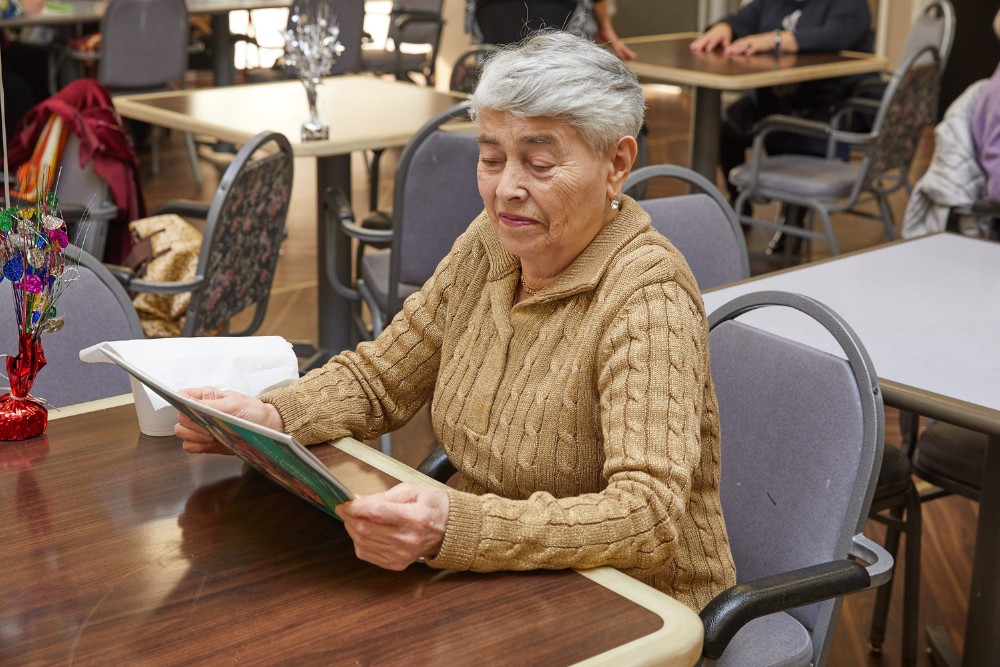
Children and young to middle-aged adults spend plenty of time around others. They have friends, families, and co-workers to engage with almost daily. However, adults aged 65 and older often lack these companionships due to retirement and loss of partners and friends. Recent studies state that 40% of elderly people feel part-time loneliness, while 5%-15% are frequently lonely.
According to these studies, 36% of seniors living alone were less likely to report loneliness when owning a pet. Their sense of worth, responsibility, activity, and daily functioning levels increased. Depression levels decreased, slowing cognitive decline and improving overall health in seniors living with pets.
Physical activity and social connection
Long-term inactivity is linked to cardiovascular disease, diabetes, and other serious conditions. Experts also state that sedentary behavior is associated with cognitive impairment and is common among seniors. Not only do they experience loss of function, but their risk of dementia increases.
However, studies have shown that pet ownership, particularly dogs, increases physical activity and slows cognitive decline. Owners walking their own dogs frequently reached the recommended 150 minutes of activity each week.
Taking your pets out also improves social interactions at dog parks, pet-friendly stores, or during vet visits. Since social isolation is also linked to cognitive decline, owning a pet further reduces these risks. You may even make new friends with pets of their own, encouraging future get-togethers.
Resources:
- Harvard Health Publishing, Nov. 1, 2025, Dogs and cats may slow cognitive decline
https://www.health.harvard.edu/mind-and-mood/dogs-and-cats-may-slow-cognitive-decline - Alzheimer’s Society, March 28, 2025, Can stress cause dementia?
https://www.alzheimers.org.uk/blog/can-stress-cause-dementia - American Heart Association, 5 Ways pets Help With Stress and Mental Health
https://www.heart.org/en/healthy-living/healthy-bond-for-life-pets/pets-as-coworkers/pets-and-mental-health - PMC, April 1, 2015, Pet Ownership may Attenuate Loneliness Among Older Adult Primary Care Patients Who Live Alone
https://pmc.ncbi.nlm.nih.gov/articles/PMC3944143/ - Frontiers, Aug. 3, 2023, Association between sedentary behavior and risk of cognitive decline or mild cognitive impairment among the elderly
https://www.frontiersin.org/journals/neuroscience/articles/10.3389/fnins.2023.1221990/full - PMC, June 16, 2016, Odds of Getting Adequate Physical Activity by Dog Walking
https://pmc.ncbi.nlm.nih.gov/articles/PMC4535333/ - PubMed, July 10, 2020, Living alone and risk of dementia
https://pubmed.ncbi.nlm.nih.gov/32659336/
This article is for educational and informational purpose only and does not substitute for professional medical advice. For any questions about your own health condition, speak to a qualified physician or healthcare provider.





Leave A Comment